While the World Burns: Volume II
A film series covering 80 films from 1959 to 1989, from the waning days of the studio system through the early tremors of New Hollywood to the excess of the '80s.

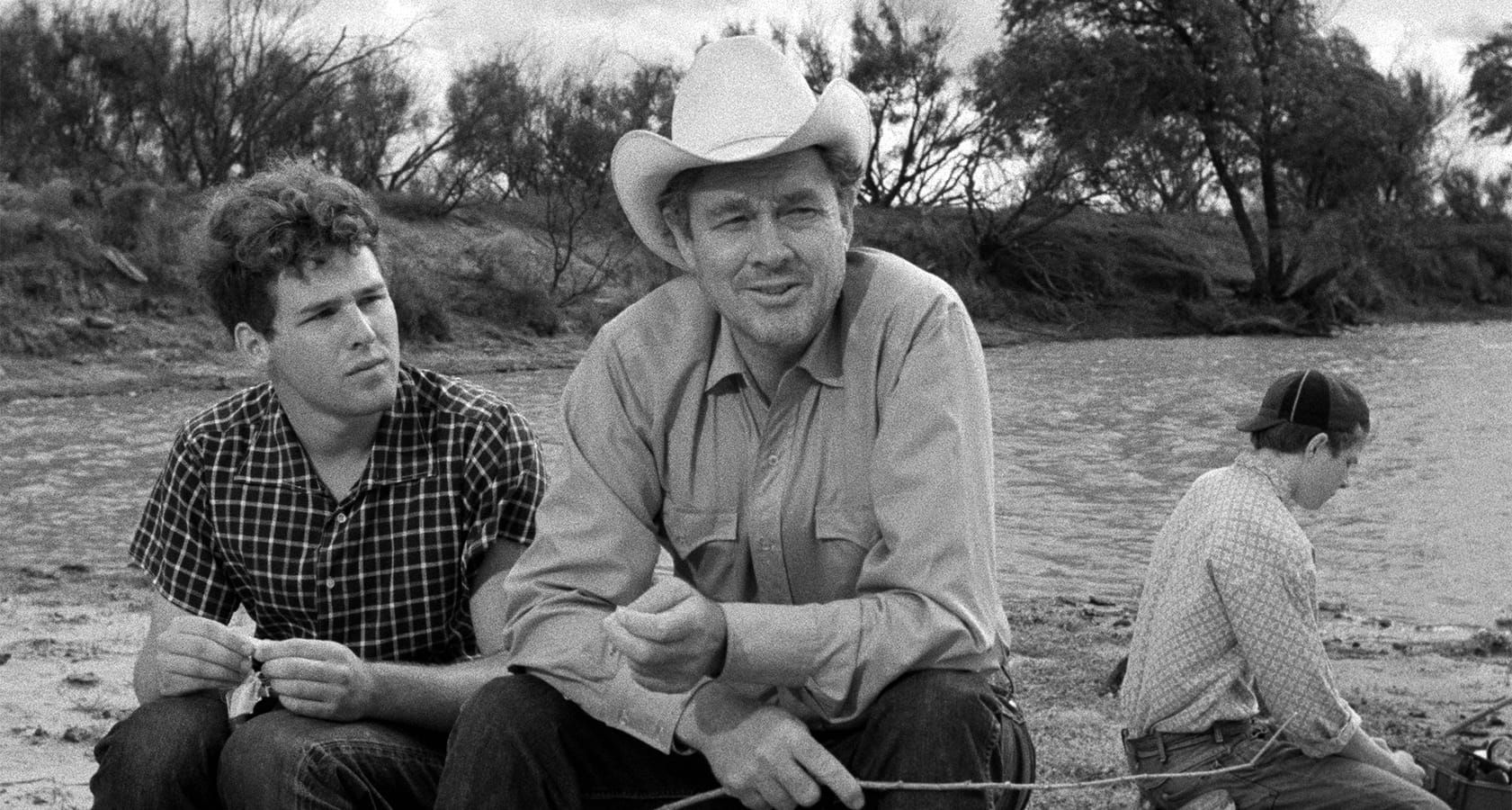
Volume I ended in 1968 — the year that changed everything. The Kennedy and King assassinations shocked the nation. The Chicago Democratic Convention revealed deep divisions. Vietnam dominated headlines. Hollywood had already started telling harder truths, but what came next was something else entirely: a cinema that didn't just question authority but treated its breakdown as a given. New Hollywood didn't quietly seek permission. It forced its way in.
Volume II covers 1969 to 1973 — fifteen films from the most creatively volcanic five-year stretch in American cinema history, made by people who knew what it felt like to watch institutions fail in real time — to see power consolidate, idealism erode, and the gap between what America promised and what it delivered grow impossible to ignore.
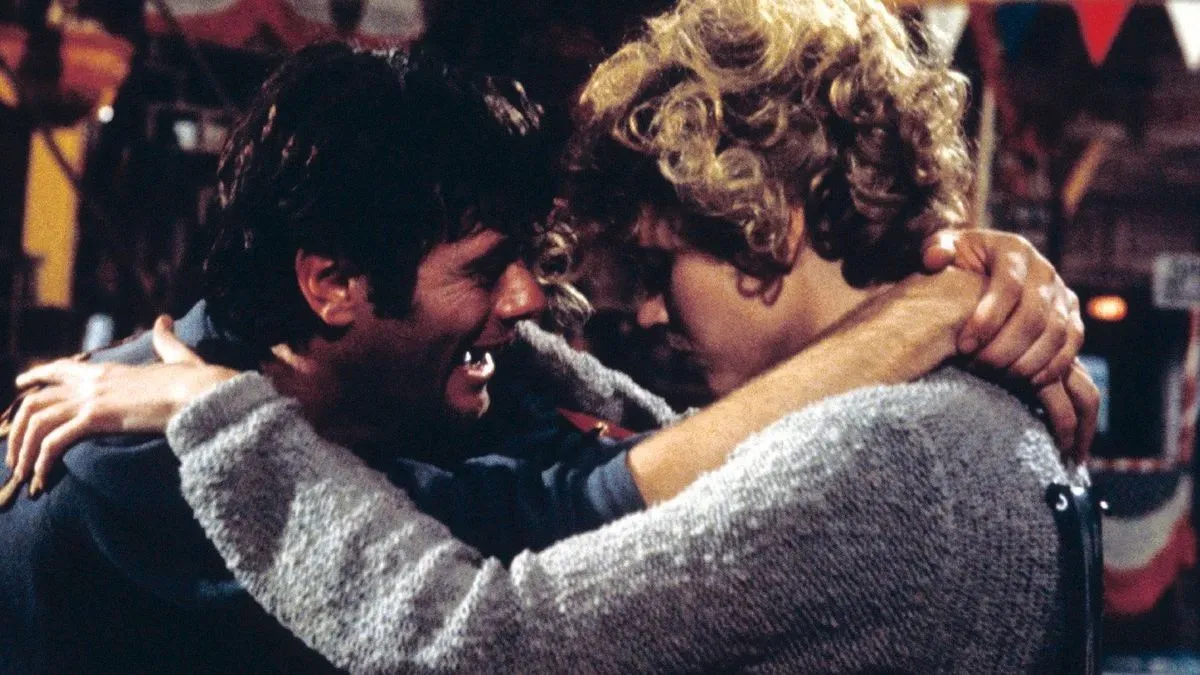
They Shoot Horses, Don't They? (1969)
Dir. Sydney Pollack · DP: Conrad Hall · Cast: Jane Fonda, Michael Sarrazin, Susannah York, Gig Young, Red Buttons, Bruce Dern, Bonnie Bedelia
Sydney Pollack’s study of a Depression-era dance marathon is a grueling, claustrophobic nightmare. Jane Fonda, Michael Sarrazin, Susannah York, and Red Buttons are among the desperate contestants, shuffling in circles until they drop, sustained only by the promise of a cash prize and a fresh start. A spiritual ancestor to THE LONG WALK and THE HUNGER GAMES, the dance marathon serves as a brutal metaphor for the American Dream — a rigged spectacle designed by a ruling class that finds its entertainment in the degradation of the poor. Fonda’s unflinching performance captures the physical and emotional exhaustion of the marathon with heartrending authenticity, while Gig Young provides the film’s moral rot as the sleazy emcee, Rocky — a man who mass-markets misery and perpetuates the myth that life is a game that can be won. An American masterpiece of existential nihilism, Pollack’s film tells us death isn't a tragedy; it’s the only logical exit from a race with no finish line. If a human being is broken by a world that offers no hope, is ending their struggle an act of compassion or the ultimate defeat?
Well — they shoot horses, don't they?
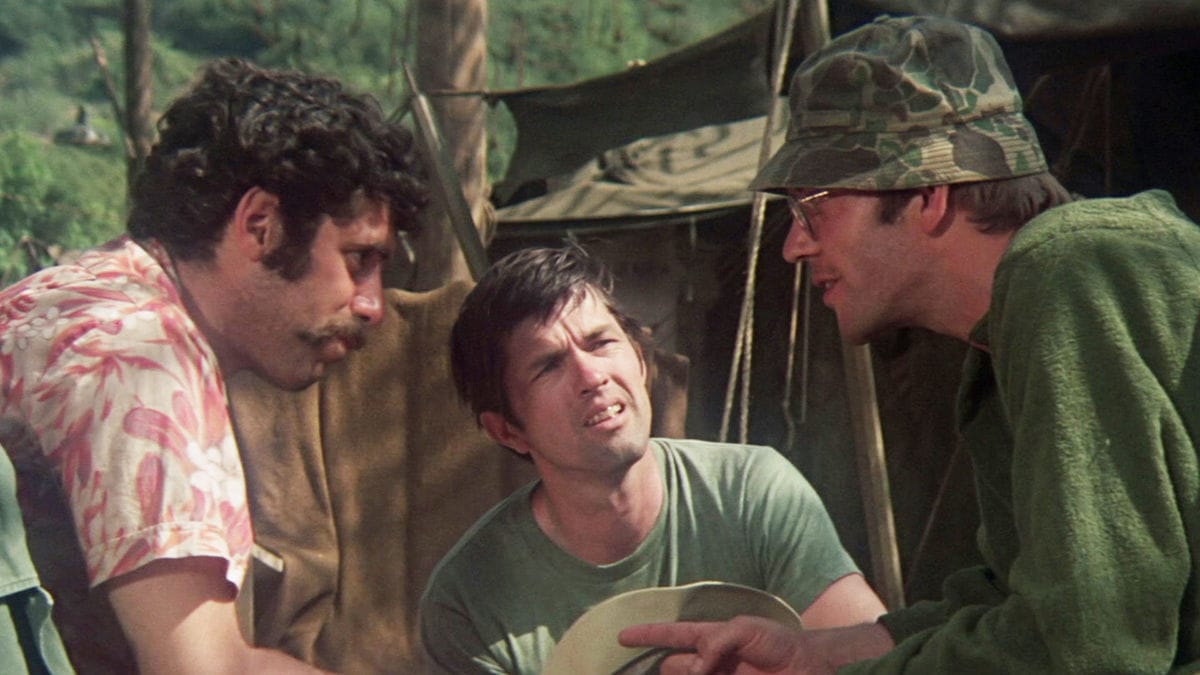
M*A*S*H (1970)
Dir. Robert Altman · DP: Harold E. Stine · Cast: Donald Sutherland, Elliott Gould, Tom Skerritt, Sally Kellerman, Robert Duvall, René Auberjonois
Robert Altman's breakthrough as a major filmmaker is one of the strangest studio films ever released — a Korean War "comedy" that is often as uncomfortable as it is funny. That discomfort was entirely the point. The overlapping dialogue, the improvisatory performances, the refusal to construct a conventional plot: Altman was inventing a new grammar for ensemble filmmaking in real time, and it launched the careers of Donald Sutherland, Elliott Gould, Sally Kellerman, Robert Duvall, and Tom Skerritt in the process. The counterculture energy is authentic and the anti-war sentiment genuine — but the humor's casual cruelty, directed at women and anyone who takes the rules seriously, blurs the line between satire and the thing being satirized. That tension is baked into the film's legacy. Sitting with it honestly is more interesting than looking away. As a document of the American cultural left in 1970 — its liberations and its blind spots — M*A*S*H remains essential, complicated, and impossible to dismiss.
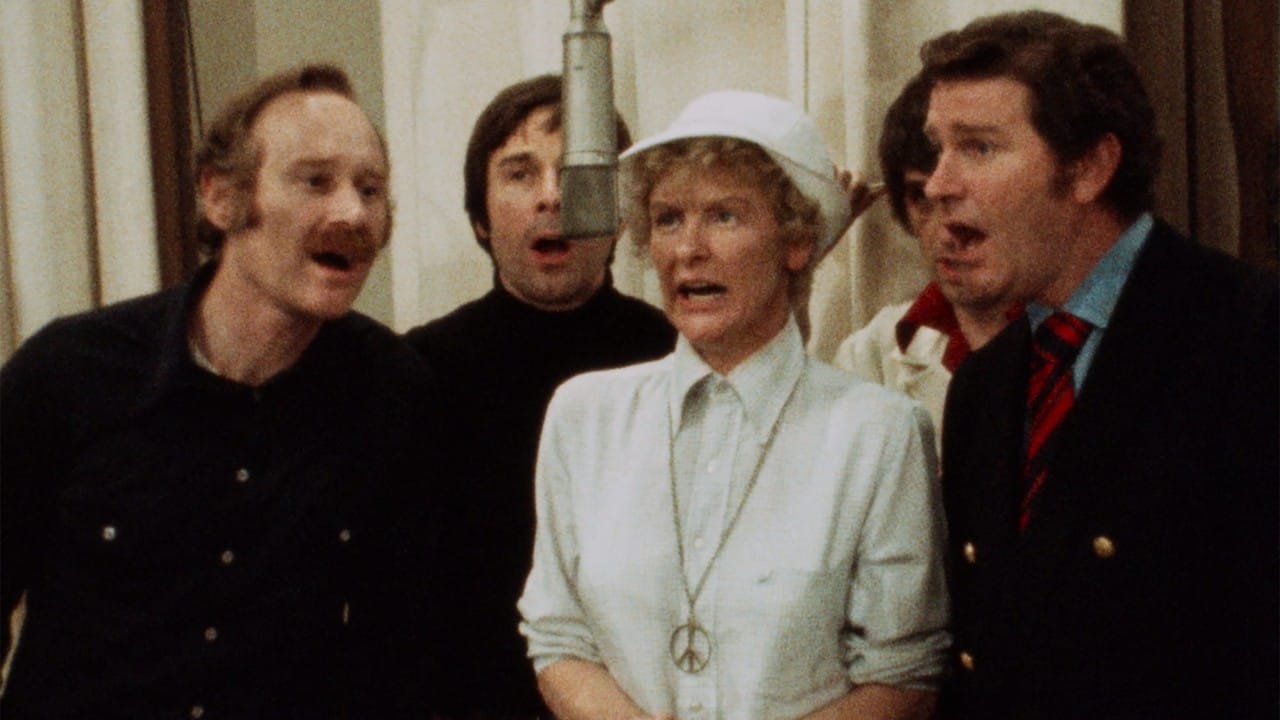
Original Cast Album: Company (1970)
Dir. D.A. Pennebaker · Cast: Stephen Sondheim, Harold Prince, Dean Jones, Elaine Stritch, Barbara Barrie, Pamela Myers
D.A. Pennebaker — the documentarian behind DON'T LOOK BACK and MONTEREY POP — turns his camera on a single Broadway recording session and comes away with something close to the purest document of artistic creation ever put on film. The subject is the original cast recording of Stephen Sondheim's COMPANY, made over one sleepless, nicotine-scorched night in 1970, and what Pennebaker finds inside it is a study in the gap between what art demands and what human beings can give. The centerpiece — Elaine Stritch's ferocious, exhausting, ultimately triumphant struggle to nail "The Ladies Who Lunch" as the night stretches toward dawn — is one of documentary filmmaking's great sequences: a real-time portrait of a performer taking herself apart in pursuit of something true. Essential viewing for anyone who has ever tried to make something worth making, and proof that the process can be as dramatic, brutal, and revelatory as anything the finished work contains.
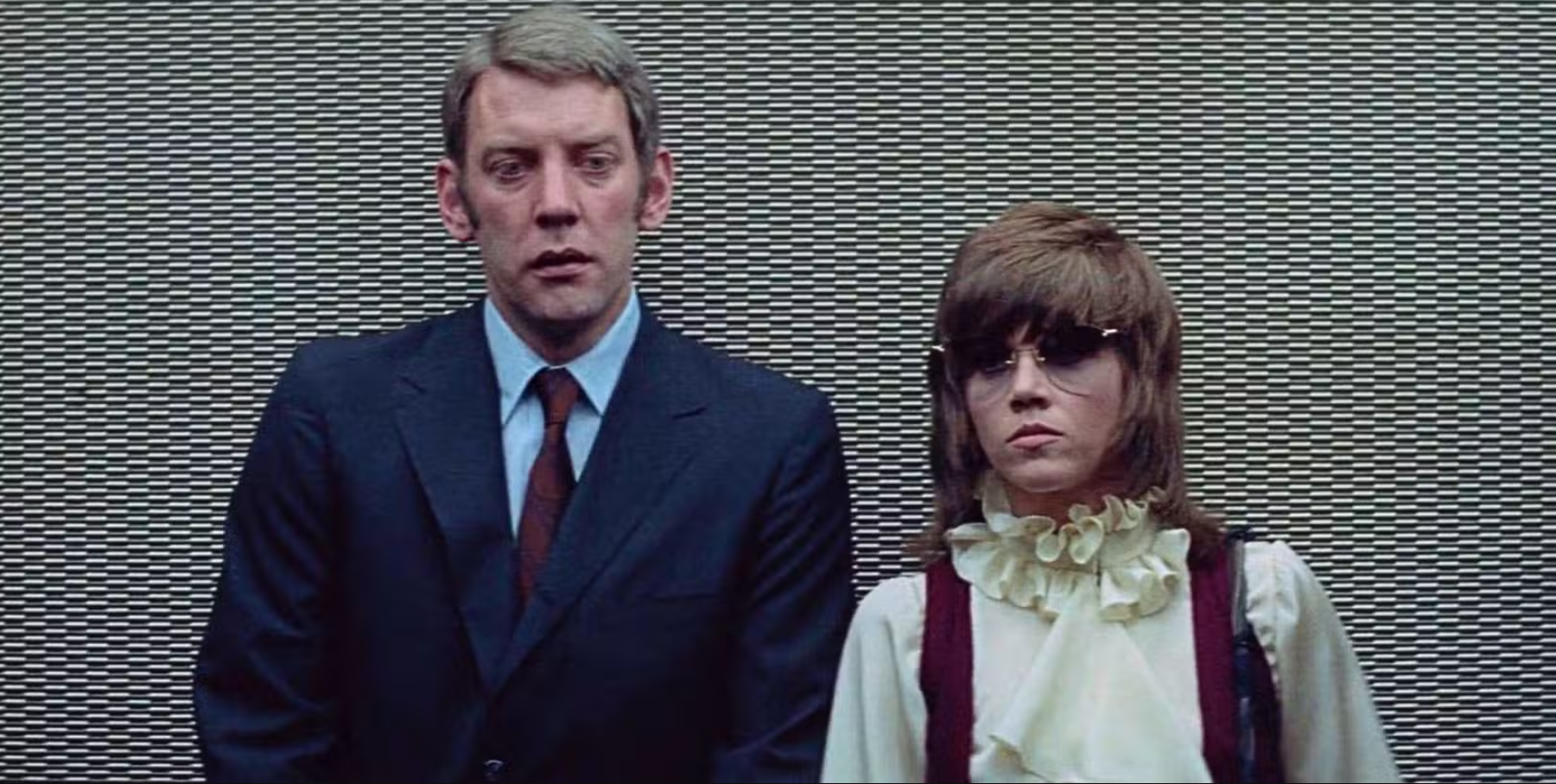
Klute (1971)
Dir. Alan J. Pakula · DP: Gordon Willis · Cast: Jane Fonda, Donald Sutherland, Roy Scheider, Dorothy Tristan
The first entry in Alan J. Pakula's informal paranoia trilogy — followed by THE PARALLAX VIEW and ALL THE PRESIDENT'S MEN — and the film that established Gordon Willis as the defining cinematographer of New Hollywood unease. Willis's shadow-drenched New York turns every frame into a surveillance image: someone is always watching, the threat always just outside the light. Jane Fonda won the Academy Award for Best Actress for her performance as Bree Daniels, a call girl navigating a city that has commodified her entirely — and her work is extraordinary precisely because it refuses to make Bree a victim. She is sharp, self-aware, and in control of everything she can influence, which turns out to be less than she imagined. A neo-noir thriller on the surface and a quietly devastating character study underneath — one of the decade's most significant American films, and a template for every story since about women trying to survive the scrutiny of men who believe their gaze is the only one that matters.
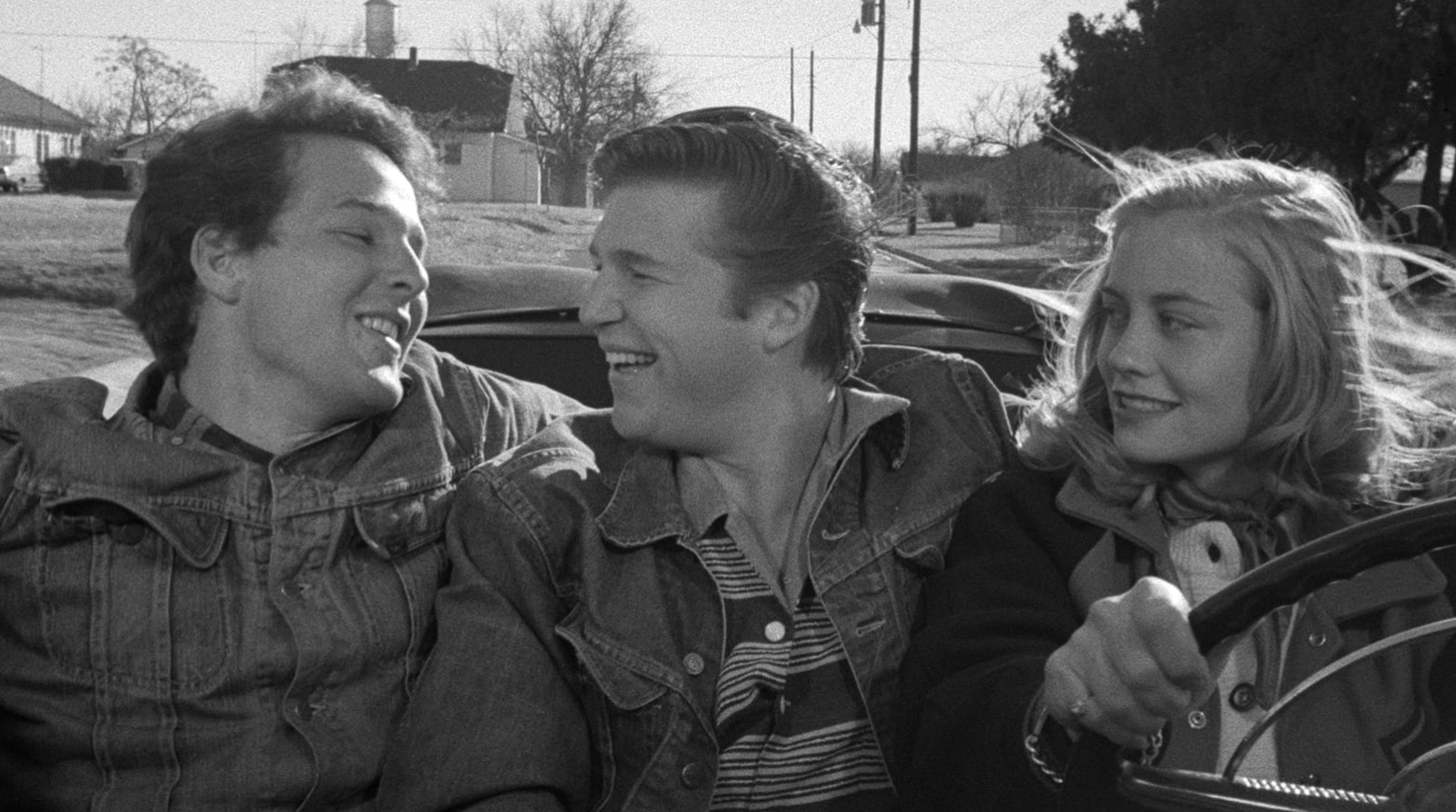
The Last Picture Show (1971)
Dir. Peter Bogdanovich · DP: Robert Surtees · Cast: Timothy Bottoms, Jeff Bridges, Cybill Shepherd, Ellen Burstyn, Ben Johnson, Cloris Leachman, Eileen Brennan
Bogdanovich's monochrome elegy for the American small town unfolds like a West Texas wind — slow to arrive, impossible to ignore once it's there. Set in the early 1950s in a dying community where the only movie theater is closing, and the young men are shipping off to Korea, the film captures the exact moment when a certain kind of innocence ends. Robert Surtees's stark photography strips away the nostalgia the period setting might otherwise invite, and the absence of an original score — just country songs drifting from radios, the wind, the silence between things — makes the ensemble's quiet desperation feel inescapable. The performances are extraordinary across the board: Jeff Bridges and Timothy Bottoms as two young men with nowhere to go; Ben Johnson and Cloris Leachman winning Oscars in supporting roles that contain entire lifetimes of resignation. A beautifully melancholic film about the moment the lights go out — on a town, on a generation, on the story America was telling itself about itself.
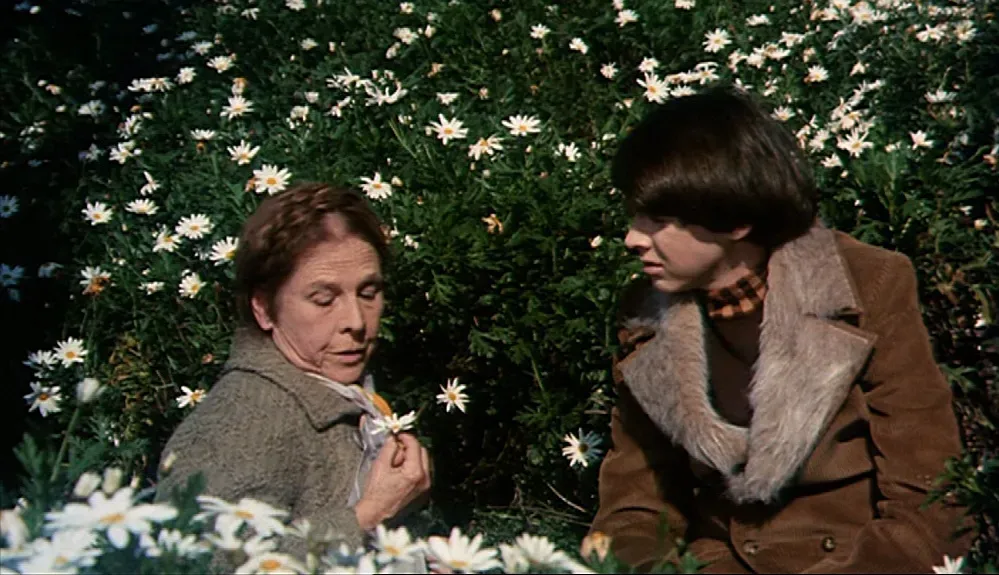
Harold and Maude (1971)
Dir. Hal Ashby · DP: John Alonzo · Cast: Bud Cort, Ruth Gordon, Vivian Pickles, Cyril Cusack
The ultimate anthem for oddballs, eccentrics, and anyone who has ever felt like they were living in the wrong story. Hal Ashby's darkly luminous film follows a death-obsessed young man (Bud Cort, achingly funny and sad in equal measure) who finds his reason to live in the company of a 79-year-old Holocaust survivor (Ruth Gordon, incandescent) who has decided that existence itself is the great subversive act. Their chemistry is untouchable — morbid and sun-drenched at once, turning a premise that sounds like a provocation into something that feels, by the end, like the most natural love story in the world. Cat Stevens's score gives the whole film a hymnal warmth that keeps it from tipping into quirkiness for its own sake. A joyful rejection of the demand that you live quietly and die tidily — and its fingerprints are all over Wes Anderson, Cameron Crowe, Zach Braff, Mike Mills, and anyone else who has ever made a film about choosing your own life over the one you were handed. The only true failure, it insists, is surrender.
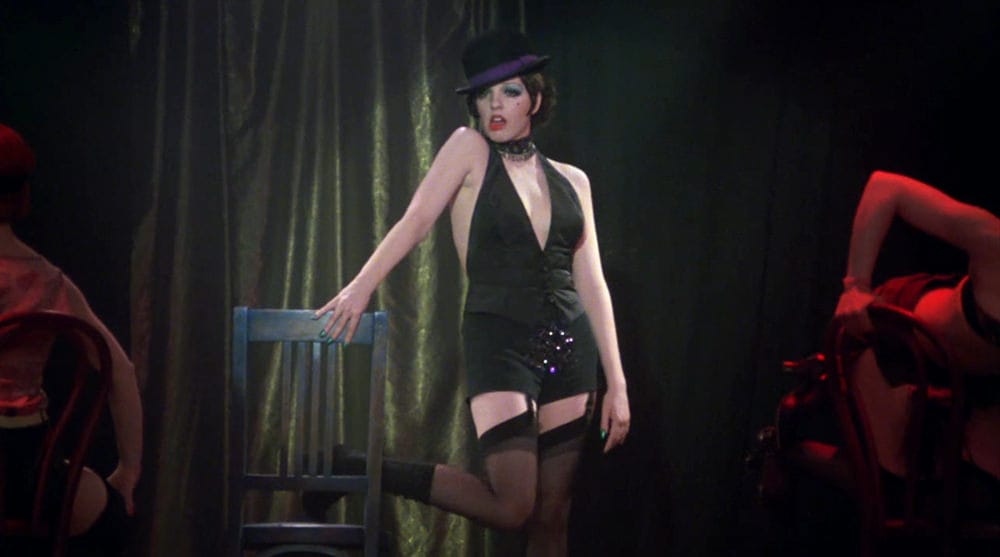
Cabaret (1972)
Dir. Bob Fosse · DP: Geoffrey Unsworth · Cast: Liza Minnelli, Michael York, Joel Grey, Helmut Griem, Fritz Wepper
Bob Fosse's masterwork is a glittering, shadow-filled musical that uses the decadence of Weimar Berlin as a mirror — and what it reflects is not just the past. Geoffrey Unsworth's cinematography moves between the lurid warmth of the Kit Kat Club and the cold grey light outside, and Fosse's genius lies in understanding that the horror isn't lurking in the dark: it's sitting in the front row, applauding. Liza Minnelli plays Sally Bowles with a frantic, feverish joy that is both shield and symptom — a woman who has perfected the art of not looking at what she cannot bear to see. Joel Grey's Master of Ceremonies, winning the Oscar for Best Supporting Actor as the embodiment of entertainment's complicity with power, is one of cinema's great recurring nightmares. CABARET won eight Academy Awards, including Best Director, Best Actress, and Best Adapted Score — and every frame of it feels woefully, urgently relevant in 2026.
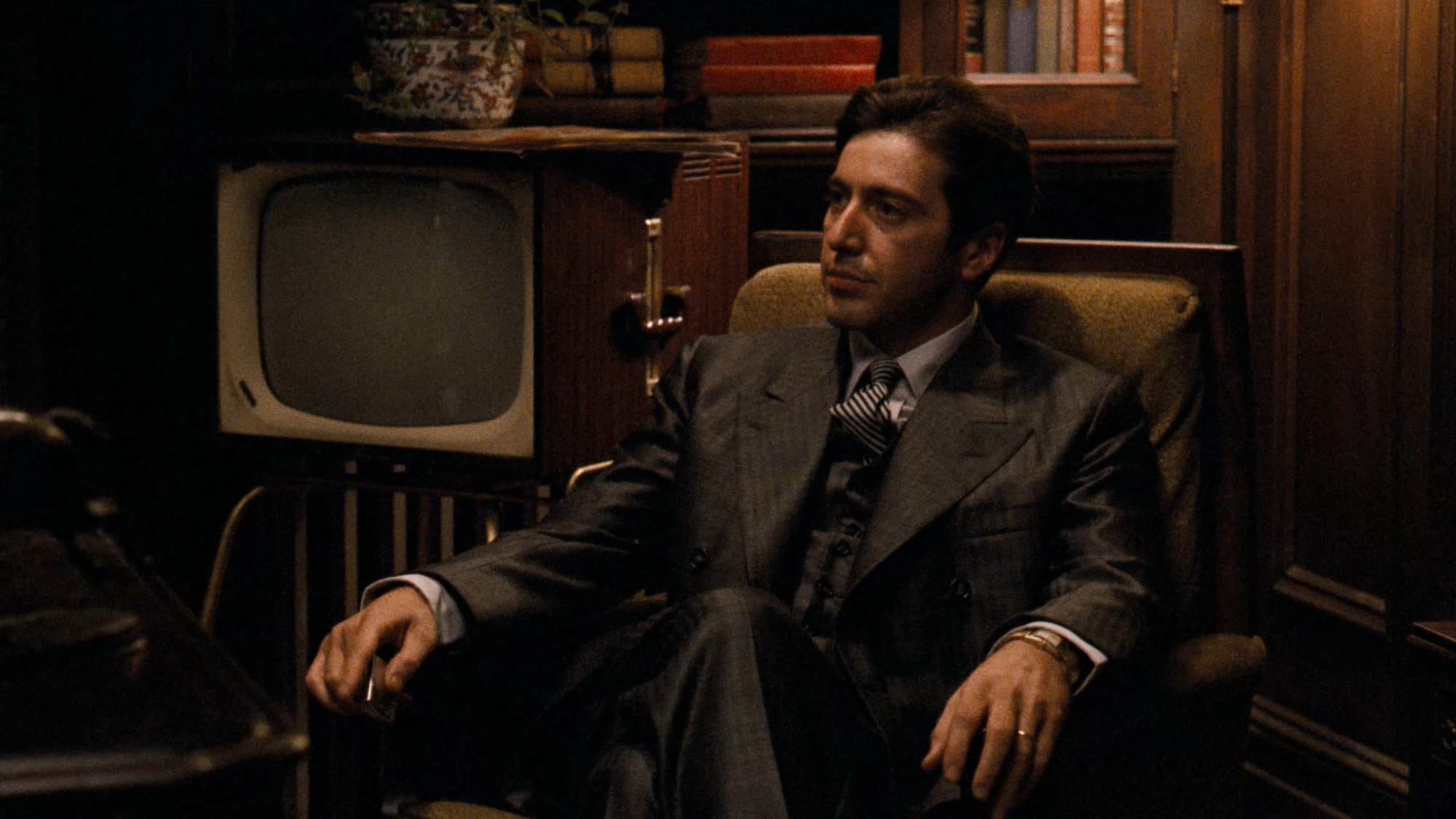
The Godfather (1972)
Dir. Francis Ford Coppola · DP: Gordon Willis · Cast: Marlon Brando, Al Pacino, James Caan, Robert Duvall, Diane Keaton, Talia Shire, Richard Castellano, Sterling Hayden
Francis Ford Coppola's definitive American epic — adapted with Mario Puzo from Puzo's novel, produced over a studio's objections with a director they didn't want to hire — is a crime saga on its surface and something far more unsettling underneath: a portrait of how power perpetuates itself, and how a man can surrender his soul so gradually he mistakes the erosion for growth. Gordon Willis's cinematography plunges the Corleone world into deep shadow and amber warmth at once, every whispered deal carrying the specific gravity of fate. Marlon Brando's Don Vito is one of cinema's towering performances, but it's Al Pacino's Michael — the slow transformation from decorated war hero to something cold and immovable — that gives the film its true subject. Around them: James Caan's volatile Sonny, Robert Duvall's quietly lethal Tom Hagen, Diane Keaton's Kay, steadily comprehending what she has married into. Winner of three Academy Awards, including Best Picture. The highest-grossing film in history at the time of its release. Fifty years later, it is still the standard by which American cinema measures itself.
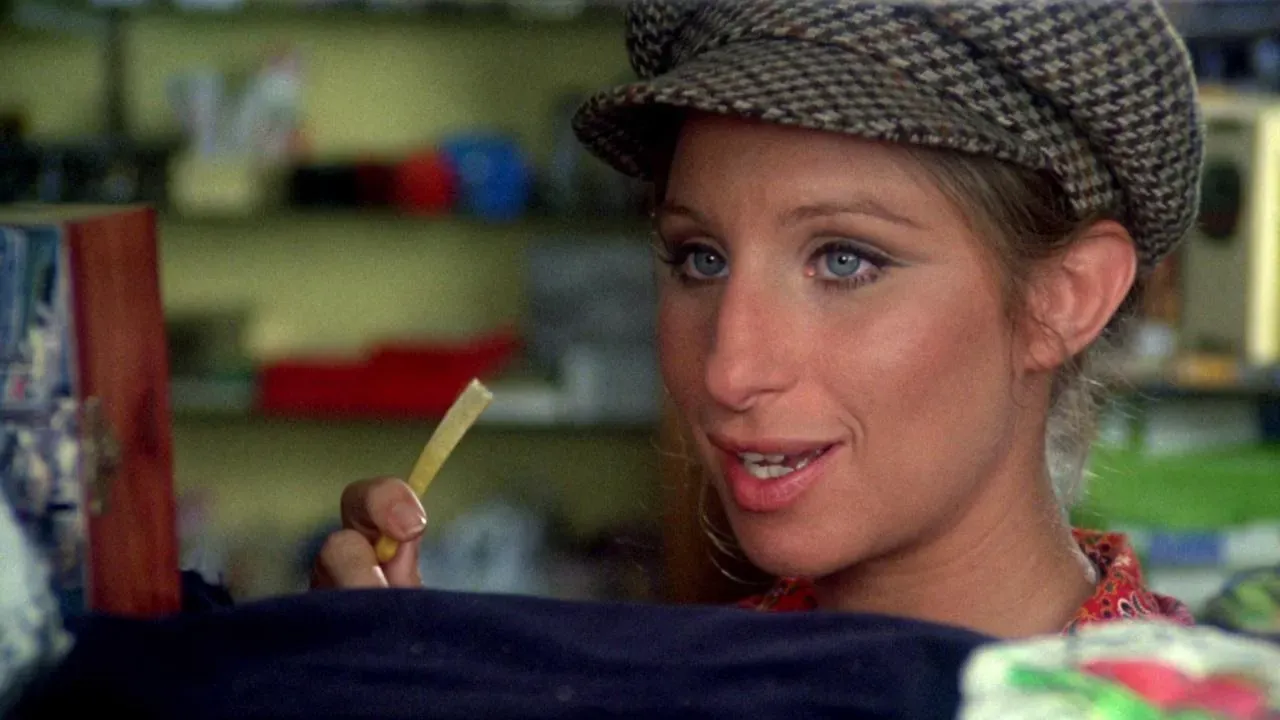
What's Up, Doc? (1972)
Dir. Peter Bogdanovich · DP: Laszlo Kovacs · Cast: Barbra Streisand, Ryan O'Neal, Madeline Kahn, Kenneth Mars, Austin Pendleton, Michael Murphy, Randy Quaid
The pivot from THE LAST PICTURE SHOW to WHAT'S UP, DOC? — from achingly mournful monochrome elegy to full-throttle Technicolor screwball comedy, released in the same calendar year — is one of the great directorial gambles of the New Hollywood era. It paid off. Bogdanovich constructs a tightly wound farce around four identical plaid overnight bags and escalating mayhem across San Francisco with the precision of a Swiss watch and the exuberance of a man who spent his entire adult life studying Howard Hawks and can finally prove he absorbed something. Barbra Streisand brings a force-of-nature comic energy to Judy, playing brilliantly against Ryan O'Neal's increasingly bewildered straight man. But it's Madeline Kahn, in her film debut, who almost walks away with the picture — a fully realized comic performance that announced the arrival of one of American comedy's great talents.
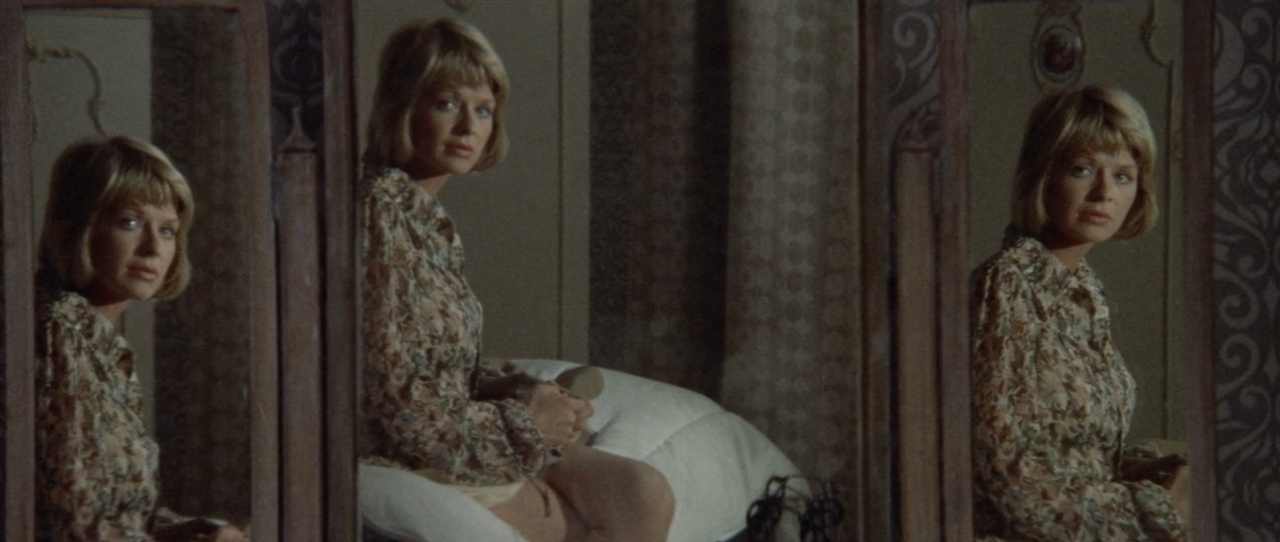
Images (1972)
Dir. Robert Altman · DP: Vilmos Zsigmond · Cast: Susannah York, René Auberjonois, Marcel Bozzuffi, Hugh Millais
Altman's most radical and least-seen film is a claustrophobic study of psychological erosion — a descent into one woman's fractured reality so precisely rendered it begins to feel like your own. Susannah York, who also wrote the children's book that appears in the film, delivers a performance that makes every hallucination and surreal detour feel terrifyingly inhabited rather than merely stylized. Vilmos Zsigmond's shimmering photography transforms the Irish countryside into a crystalline nightmare — all reflections and refracted light, the external world growing unreliable in exact proportion to the protagonist's deteriorating grip on it. John Williams composed the avant-garde score; Stomu Yamashta provided the jarring percussive soundscape; together they forge something genuinely disorienting, working on the nervous system rather than the intellect. Drawn from Bergman's PERSONA and pointing directly toward Roeg's DON'T LOOK NOW, Kubrick's THE SHINING, and the dream-logic films of David Lynch, IMAGES is one of the most undervalued films in either Altman's or Zsigmond's extraordinary careers — and it will keep you up tonight.
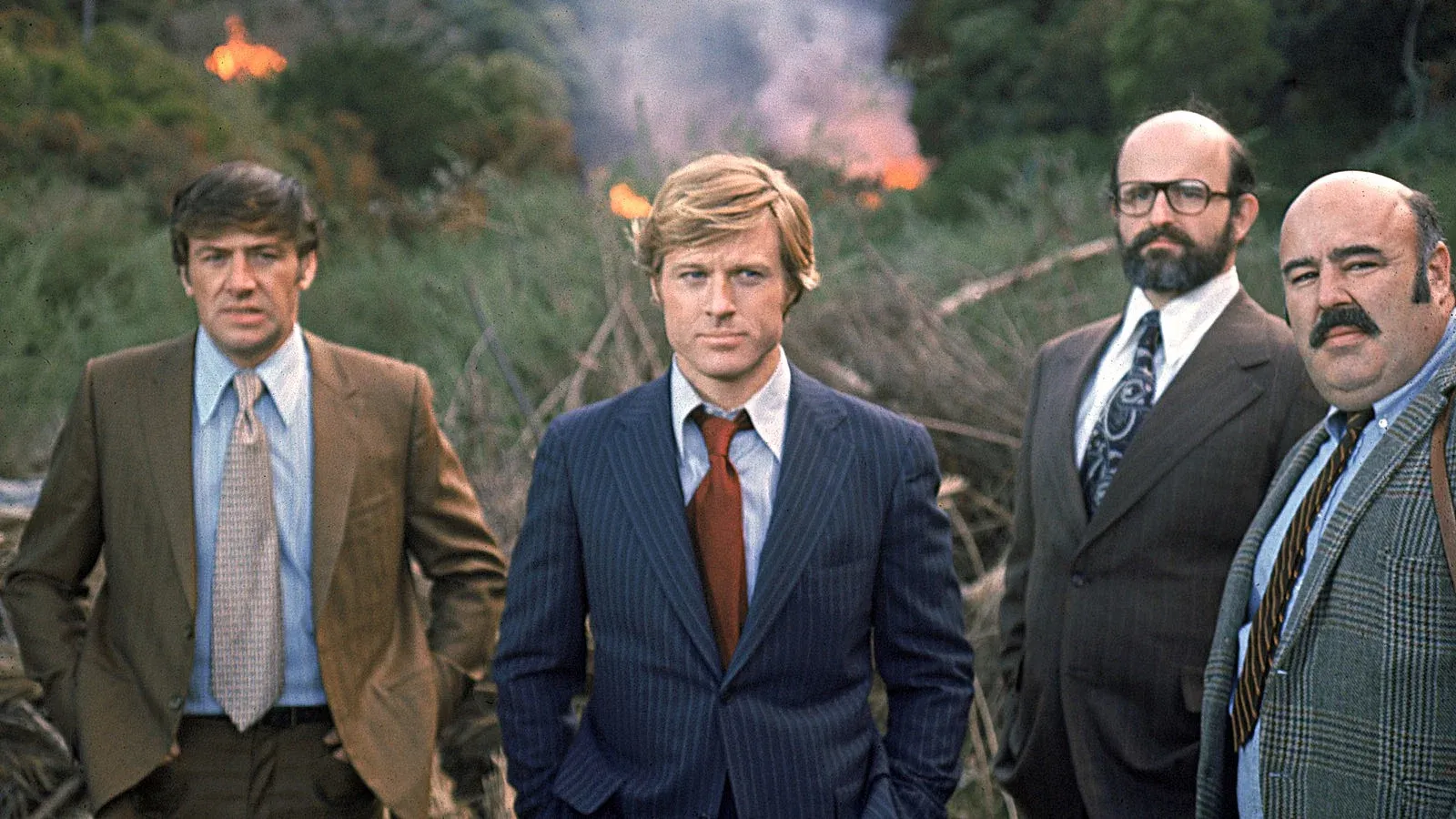
The Candidate (1972)
Dir. Michael Ritchie · DP: Victor J. Kemper · Cast: Robert Redford, Peter Boyle, Don Porter, Allen Garfield, Melvyn Douglas
Michael Ritchie's lean, quasi-documentary dissection of the American political machine plays less like drama than footage from a surveillance camera no one noticed. Robert Redford is magnetic as Bill McKay — a California idealist recruited for a Senate race he's expected to lose, who discovers that winning requires the gradual, methodical surrender of everything he stood for. The erosion is so incremental it's almost imperceptible, which is exactly the point: Jeremy Larner's Oscar-winning script, drawn from real political scars, understands that the system doesn't crush idealism so much as absorb and neutralize it. Peter Boyle is icily precise as the campaign manager who made peace with that transaction long ago. The film ends on one of American cinema's great final lines — McKay, having just won, turning to his handler and asking, genuinely lost: "What do we do now?" Fifty years later, the question still hangs in the air.
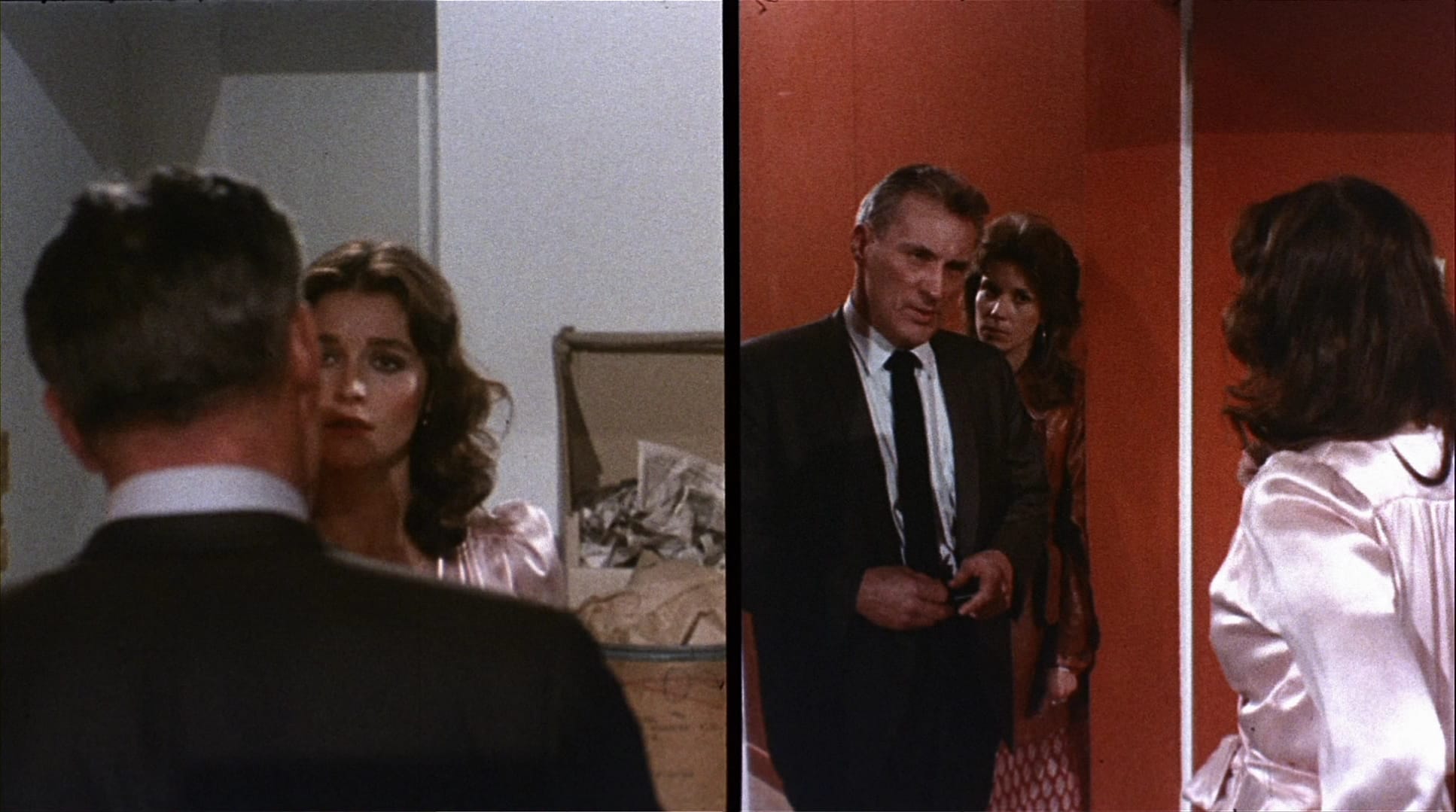
Sisters (1972)
Dir. Brian De Palma · DP: Gregory Sandor · Cast: Margot Kidder, Jennifer Salt, Charles Durning, William Finley, Lisle Wilson
Brian De Palma announced his directorial DNA with a film that is brazenly derivative yet completely his own. A Hitchcock homage so committed it hired Bernard Herrmann — Hitchcock's own composer — to write the score, SISTERS follows a journalist (Jennifer Salt) who witnesses what may be a murder from her window across an apartment courtyard, a nod to REAR WINDOW that De Palma uses as a launchpad rather than a ceiling. Margot Kidder is electric in a dual role demanding she be simultaneously sympathetic and genuinely alarming, and the film's bravura split-screen sequences — two perspectives unfolding in real time — reveal a filmmaker already obsessed with the mechanics of voyeurism, with what we see versus what we're allowed to understand. Gritty, propulsive, and formally inventive, SISTERS is the blueprint for De Palma's next two decades and a milestone in the cinema of paranoid suspense.
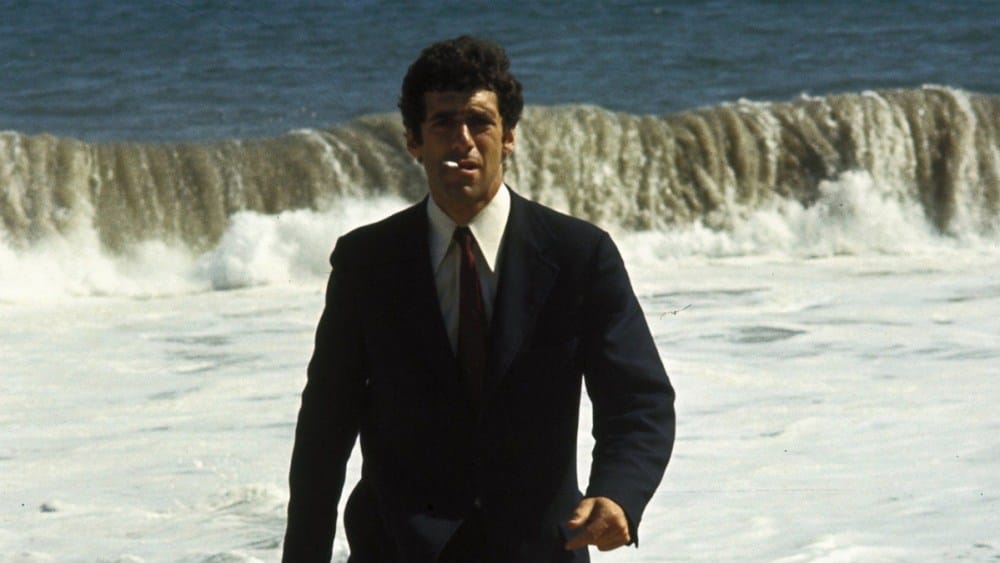
The Long Goodbye (1973)
Dir. Robert Altman · DP: Vilmos Zsigmond · Cast: Elliott Gould, Nina van Pallandt, Sterling Hayden, Henry Gibson, David Arkin, Jim Bouton
Altman drops hardboiled detective Philip Marlowe into the sun-bleached moral squalor of 1970s Malibu and watches what happens when a man who believes in a code encounters a world that has abandoned codes entirely. Elliott Gould is the perfect slouching, chain-smoking, perpetually muttering protagonist — a private eye operating on a frequency everyone else has tuned out, navigating Vilmos Zsigmond's fluid, restless lens through a landscape of beautiful people doing ugly things. In traditional noir, a detective's loyalty is his greatest strength. Here, it's his fatal flaw: Marlowe spends the entire film defending a friend who has not only betrayed him but fundamentally misunderstood him. In a self-absorbed society, assuming the best in people isn't noble — it's naive. A rueful, subversive eulogy for the honorable man, delivered with a smirk. Also: one of the most committed feline performances in cinematic history.
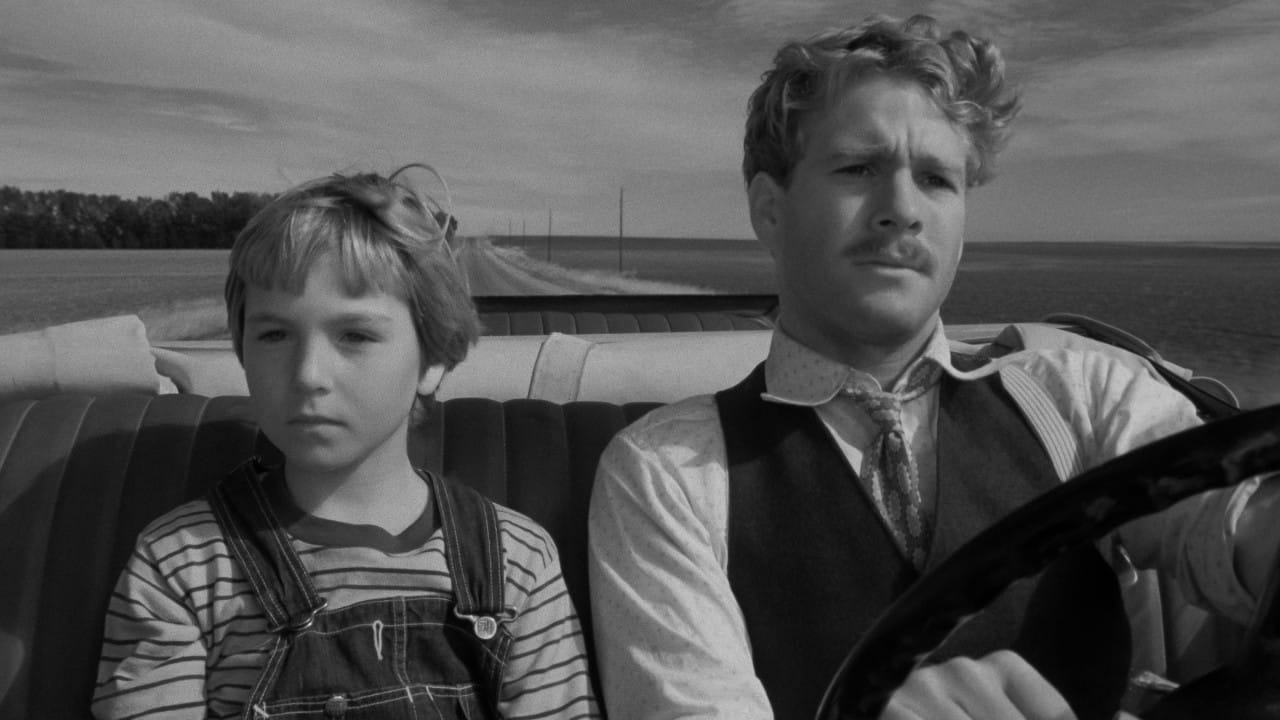
Paper Moon (1973)
Dir. Peter Bogdanovich · DP: László Kovács · Cast: Ryan O'Neal, Tatum O'Neal, Madeline Kahn, P.J. Johnson, John Hillerman
Bogdanovich trades the quiet desolation of THE LAST PICTURE SHOW for a high-velocity Dust Bowl grift — a Bible-hawking con man (Ryan O'Neal) and the recently orphaned tomboy (Tatum O'Neal) who falls into his care and promptly becomes his equal, then his better. László Kovács's glowing black-and-white photography and period-perfect detail make every frame sing, and the chemistry between the real-life father and daughter has a specificity no amount of casting could manufacture — they spark off each other with something close to musical precision, the relationship simultaneously warm and transactional, tender and shrewd. Tatum O'Neal won the Academy Award for Best Supporting Actress at age ten, making her the youngest competitive Oscar winner in history. Madeline Kahn, as a brassy carnival dancer, is predictably and irresistibly scene-stealing. Brisk, witty, and purely charming.
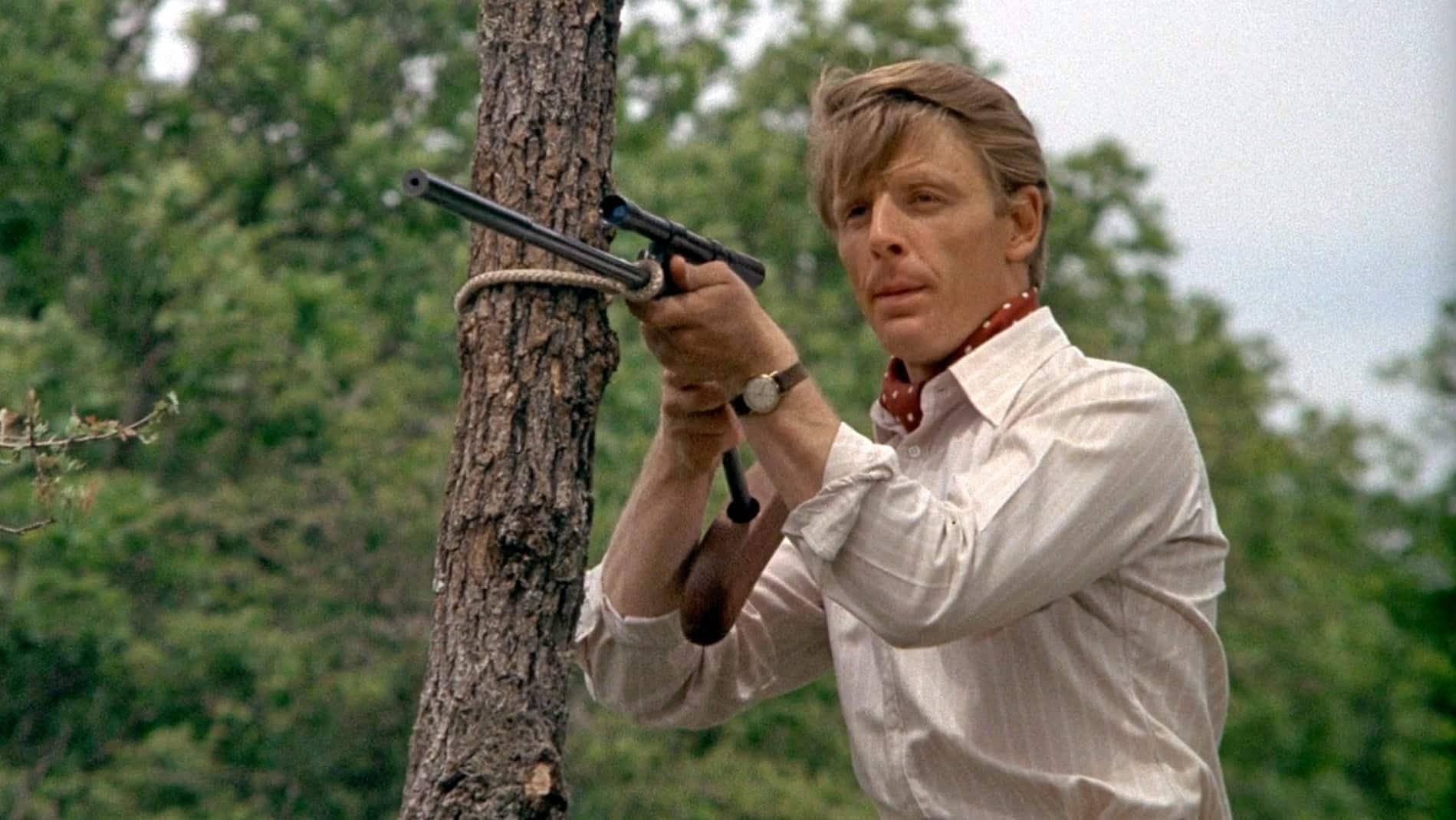
The Day of the Jackal (1973)
Dir. Fred Zinnemann · DP: Jean Tournier · Cast: Edward Fox, Michael Lonsdale, Alan Badel, Tony Britton, Cyril Cusack, Donald Sinden
Fred Zinnemann — director of HIGH NOON and FROM HERE TO ETERNITY — closes out this volume with a film that achieves something genuinely unusual: sustained, near-unbearable tension around an outcome the audience already knows. The assassination of Charles de Gaulle did not happen. Edward Fox's nameless Jackal will fail. Zinnemann uses this dramatic irony not as a handicap but as an engine, building dread from procedural precision rather than uncertainty — every meticulous step in the Jackal's preparation rendered with clinical, almost hypnotic attention to craft. Fox is extraordinary: charming, methodical, utterly without conscience, a man who has reduced murder to a professional discipline. Jean Tournier's location photography — Paris, London, Florence — gives the film a cool documentary realism that keeps the stakes visceral even when the result is foregone. Lean, mean, and gripping to the last frame.
That's Volume II. If you made it all the way through — thank you, genuinely. Dearly departed filmmakers like Hal Ashby, Alan J. Pakula, Robert Altman, Sydney Pollack, and Peter Bogdanovich stared into the same encroaching darkness we're staring into now and looked back at it unflinchingly, finding the absurdity, the hope, and the terrible beauty buried inside the wreckage of the American dream. They call out from the beyond, beckoning us to open our eyes, question authority, and never, under any circumstances, confuse compliance with survival.
Volume III is coming. We're moving into 1973–1975 — the years of Watergate, Nixon's resignation, and the fall of Saigon, when New Hollywood's darkest impulses finally had real events to match them — opening with EXECUTIVE ACTION and closing with DOG DAY AFTERNOON.
Stay tuned. 📺
🍕 POP 'N' PIZZA is your deep-dish slice of pop culture's weirdest, most esoteric corners—served with extra sauce and a side of existential dread. Written by Adam Frazier.